

Side-by-side model comparisons, real cost data, and AutomationBench results from Zapier's CTO.
͏ ͏ ͏ ͏ ͏ ͏ ͏ ͏ ͏ ͏ ͏ ͏ ͏ ͏ ͏ ͏ ͏ ͏ ͏ ͏ ͏ ͏ ͏ ͏ ͏ ͏ ͏ ͏ ͏ ͏ ͏ ͏ ͏ ͏ ͏ ͏ ͏ ͏ ͏ ͏ ͏ ͏ ͏ ͏ ͏ ͏ ͏ ͏ ͏ ͏ ͏ ͏ ͏ ͏ ͏ ͏ ͏ ͏ ͏ ͏ ͏ ͏ ͏ ͏ ͏ ͏ ͏ ͏ ͏ ͏ ͏ ͏ ͏ ͏ ͏ ͏ ͏ ͏ ͏ ͏ ͏ ͏ ͏ ͏ ͏ ͏ ͏ ͏ ͏ ͏ ͏ ͏ ͏ ͏ ͏ ͏ ͏ ͏ ͏ ͏ ͏ ͏ ͏ ͏ ͏ ͏ ͏ ͏ ͏ ͏ ͏ ͏ ͏ ͏ ͏ ͏ ͏ ͏ ͏ ͏ ͏ ͏ ͏ ͏ ͏ ͏ ͏ ͏ ͏ ͏ ͏ ͏ ͏ ͏ ͏ ͏ ͏ ͏
|
|
|
Every new model release raises the same question: should we switch?
|
|
Most teams answer by guessing—or by routing everything through the most expensive frontier model. That gets expensive fast, and it still doesn't tell you which model actually works.
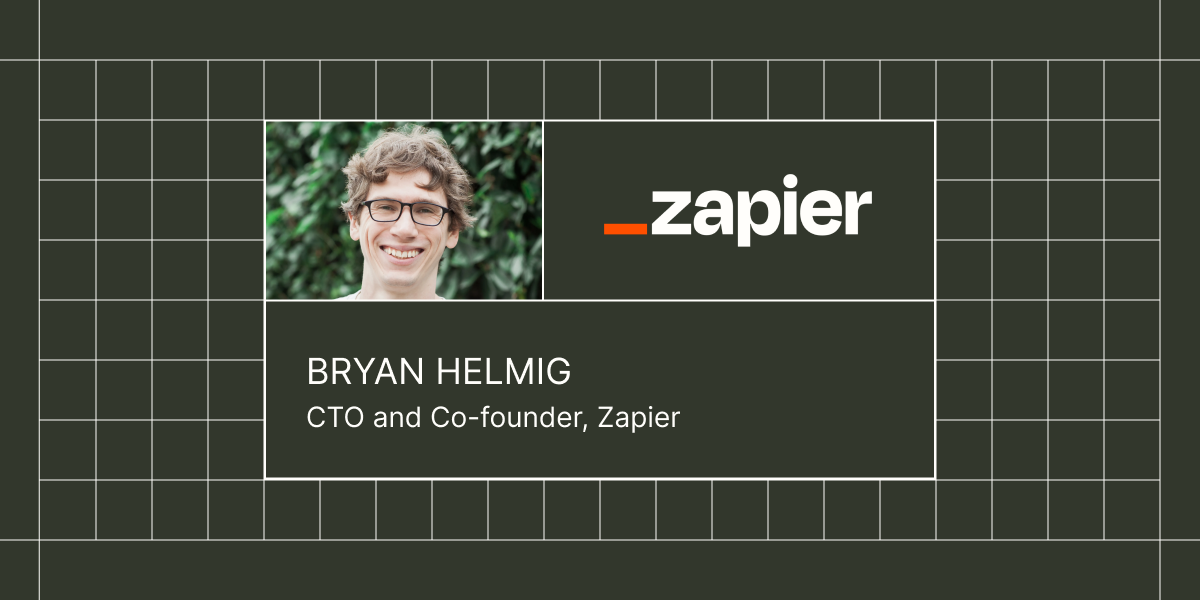
On Wednesday, June 24 at 10 AM PT, Zapier co-founder and CTO, Bryan Helmig, hosts a live session on how to choose the right AI model. You'll see:
→ What AutomationBench measures (and why coding benchmarks miss the point)
→ Side-by-side outputs from OpenAI, Anthropic, and Google on the same business processes
→ Where premium models earn their cost—and where you're burning tokens for nothing
→ A Monday-ready framework for auditing workflows and re-evaluating when new models ship
Built for heads of AI, IT and innovation leaders, and builders running agents in production.
|
|
|
|




Comments
Post a Comment